June 22
Preventing Skin Cancer
What is skin cancer?
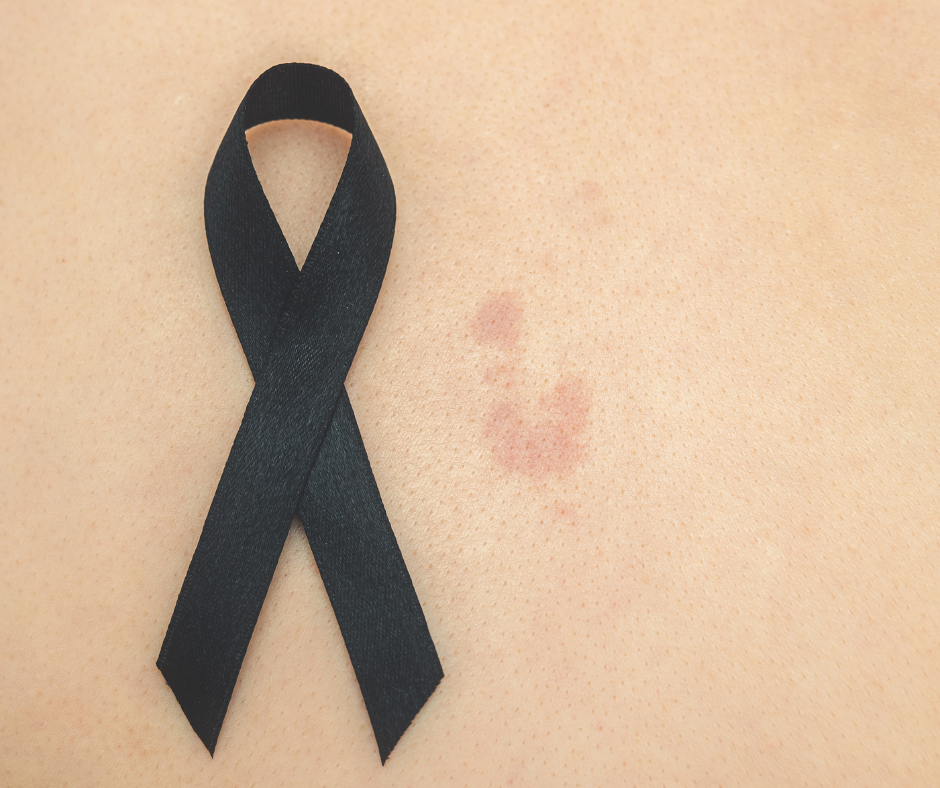
The human body naturally replaces old skin cells with new skin cells. Overexposure to sunlight (UV rays) damages skin cells, which can cause skin cells to grow abnormally. This can occur anywhere on the body and may lead to skin cancer. The three main types of skin cancer are basal cell carcinoma, squamous cell carcinoma, and melanoma. These can cause skin changes, larger deformities, and can be deadly if not treated early.
Who is most at risk for skin cancer?
Anyone can be affected by skin cancer. However, some people are more vulnerable than others. The constant use of tanning beds or having family members with a history of skin cancer can raise your risk. Lighter skin tones and weakened immune systems can also raise someone’s chance of developing skin cancer.
Overexposure to sunlight (UV rays) is a large risk factor, as sun damage builds over time. Without proper sun protection, walking or spending time outside can damage your skin. Both outdoor and indoor tanning have evidence of skin damage and should be avoided.
How do you prevent skin cancer?
While skin cancer is the most common form of cancer, it happens to be the most preventable. These daily practices can limit your risk for skin cancer.
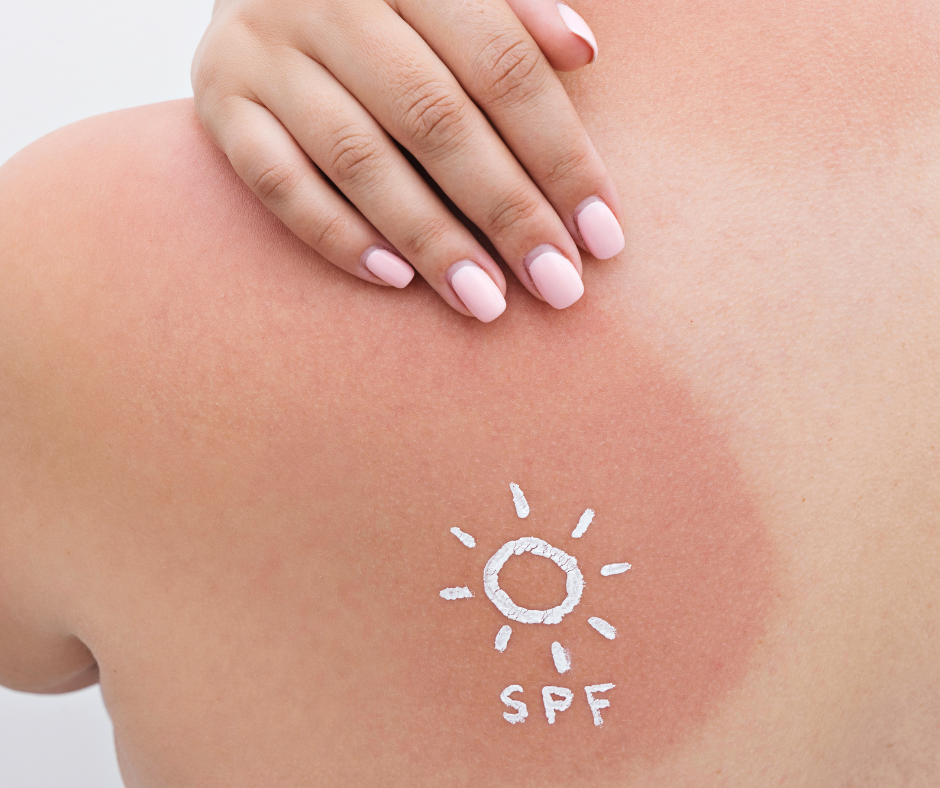
Wearing Sunscreen – When used right and often, sunscreen greatly lowers the risk of skin cancer. It also helps prevent aging spots, wrinkles, and skin sagging. Sunscreen should be used every day and reapplied every two hours. SPF 30 is recommended for everyday use, while SPF 50 is best for days spent outdoors. The most damage from the sun occurs from 10 am to 4 pm. However, even when it’s cloudy, most harmful UV rays can still get through, making sunscreen important for protecting exposed parts of the body.
Avoiding UV Exposure – UV light are invisible rays that harm your skin. Wearing covering clothing, choosing protective hats and sunglasses, and seeking shade helps protect you from UV exposure. Without any direct exposure, the mutations and cancer development are less likely. Indoor tanning beds that use UV light have been shown to be notably harmful and should be avoided. Sunless tanning products can still achieve the bronze look, without the cancerous risk, such as spray-on tanning products.
Checking Skin Regularly – Doing a full-body scan from head to toe can be crucial to detecting skin cancer early. Skin cancer can appear in bumps, spots, color changes, or moles. When caught early, skin cancer is easier to treat and often doesn’t pose a serious health threat. However, skin cancer can look very different for people. If you see any changes in your skin, consult a doctor or healthcare provider.
Concerned about your Skin?
Skin cancer can happen to anyone; if you have concerns. LCH is here to help. Our providers can help answer your questions, provide skin checks, and help you stay informed about prevention and early detection. With three convenient locations and telehealth options, care is always within reach.
Take the next step toward protecting your health with LCH Health and Community Services.
LCH Health & Community Services
- What is Gap Closure in Healthcare and Why Does it Matter to Patients?
- Changes are coming to Medicaid!
- Raising a Glass to Community Health: LCH’s 2026 Sip, Savor & Support Success
- LCH Celebrates Hero Spotlight Award Winner Amanda Birdwell Amid National Quality Honors
- LCH Health and Community Services Names Bonnie Battalia, Director of Development