
I Thought That Was Just Who I Was: Growing Up with Undiagnosed ADHD
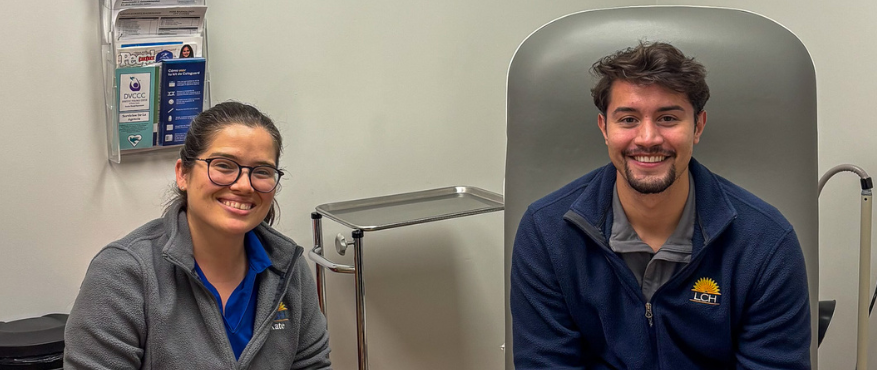
My name is Christian, and I am the Marketing and Communications Coordinator at LCH. In my role, I help share the stories of the patients, families, and communities we serve. But today, I am sharing my own story as an LCH patient.
Christian Lopez-Orozco | October 22, 2026
When I was 8 years old, my family migrated from Mexico to the United States. Like many children adjusting to a new country, I had a lot to learn, especially when it came to language. I was excited to learn and adjust to a new beginning. I started 3rd grade in a new school, and I was immediately placed in three ESL classes. I spent much of my school day learning English while trying to keep up with everything else happening around me.
After just one year, I could communicate and hold conversations. I made new friends, and during recess, I was introduced to kickball. I loved it, got so good at it, and everyone wanted me on their team because I had a powerful kick. Every time it was my turn to kick, everyone would run back; they knew my ball would go far. It brought me so much joy, but that feeling didn’t last.
In 4th grade, my teacher frequently assigned us lessons on Study Island, an online learning program intended to support ELA and math skills. This was a great resource for other kids, but not for me. Because I was still learning English, I didn’t fully understand what I was reading. Sure, I had developed basic English through ESL, but there was a difference between learning how to communicate and understanding the academic subjects, instructions, and vocabulary. I couldn’t finish the lessons, no matter how hard I tried.
As a result, my 4th grade teacher took away my most precious times at school: lunch and recess. Since a few of us hadn’t completed our work, our teacher required us to continue working on Study Island lessons through our only free periods of the day. Sometimes, the class was rewarded extra recess for good behavior. The teacher would take the whole class outside.
Everyone was so excited. As soon as I stepped outside, I sprinted for the playground. “Not so fast, Christian,” my teacher yelled. I stopped and turned around. She pointed at a brick wall; even though I was still learning English, I understood that as punishment.
I tried to complete my assignments as instructed; all I wanted was to eat lunch with my friends and play kickball again, but these assignments were impossible for me to complete. They were only in English, and I had no idea what I was doing. Whenever I tried to focus, I would easily get distracted by something else. The struggle to comprehend only made it harder to stay focused.
Surprisingly, it took me only two years to graduate from ESL. My English improved a lot, but my struggles in school continued. At the time, I didn’t understand why. I just assumed this was how I was supposed to be, and that feeling followed me.
I continued to struggle throughout elementary, middle, and high school. My English was no longer the biggest obstacle, but my grades still suffered. Concentrating took so much energy, and staying focused felt like a constant battle. I didn’t have an explanation for it, so I never questioned it. I thought I simply needed to try harder.
It wasn’t until adulthood that I began to understand that ADHD (Attention-Deficit/Hyperactivity Disorder) might have been part of my story all along.
When I went to college, that feeling became even more familiar. I realized how much effort it took for me to earn good grades. I had to push myself, work harder, and find ways to keep up. Eventually, I began to wonder why something that seemed manageable for other people required so much effort from me.
As an adult, I wanted to experience what life could be with my ADHD properly addressed and treated. I had spent so many years struggling with focus, forgetting things, and feeling like I had to work twice as hard to keep up. I wanted answers. I wanted to understand why my brain seemed to work differently and what kind of support could make a difference.
Then I made an appointment with LCH Health and Community Services.
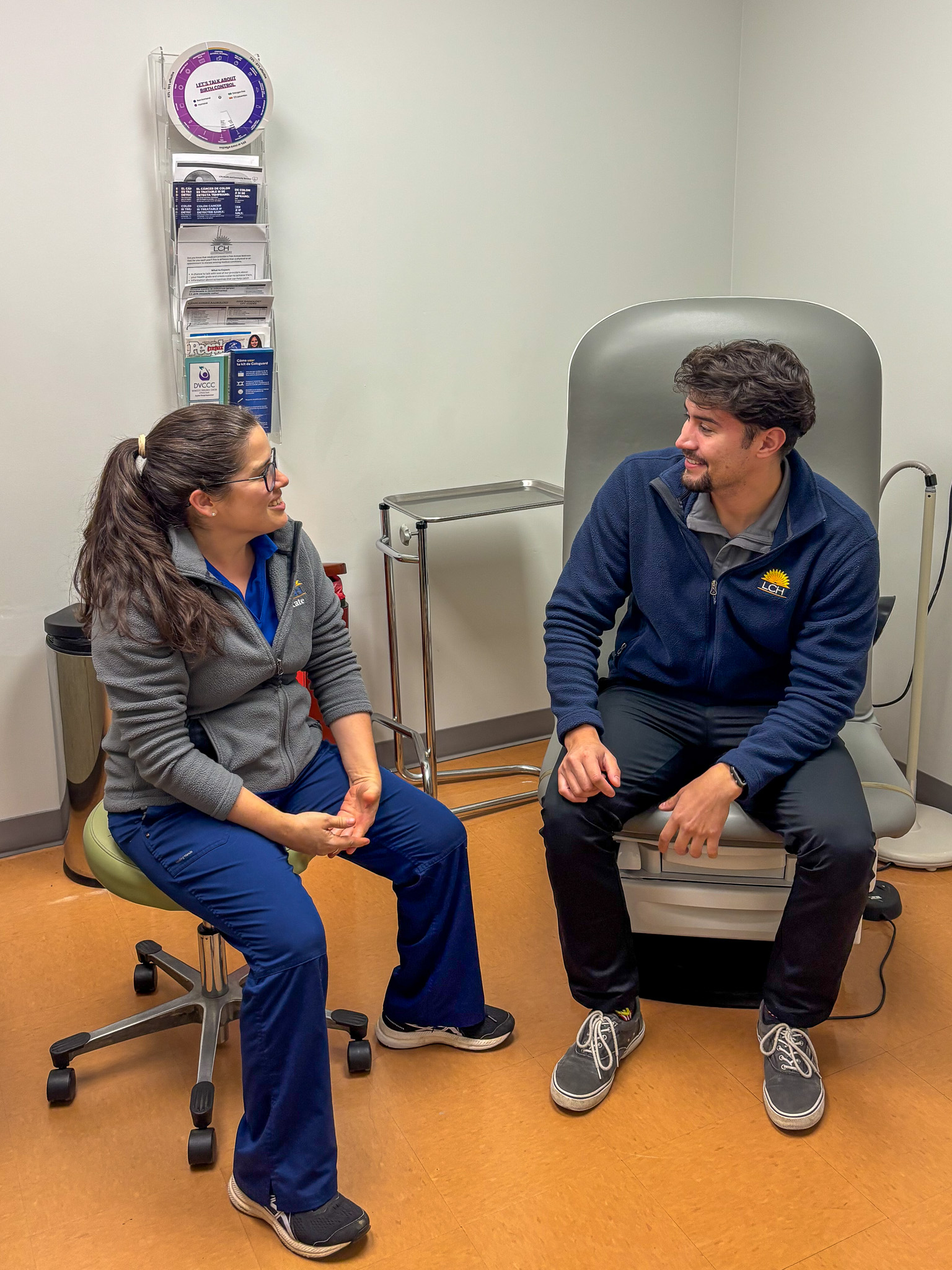
I met with provider Kate Hoffer,CRNP,DNP,FNP-C, who listened to my concerns and immediately helped me get the support I needed. Through that process, I was successfully diagnosed with ADHD. For the first time, so many things about my life began to make sense.
I started to understand why I seemed to forget everything and why focusing on certain tasks felt so difficult. I also began learning more about how ADHD can affect brain systems involved in motivation and reward, including dopamine pathways.
Getting diagnosed didn’t erase my childhood experiences or change what happened in school, but it gave me a new perspective on them. Recently, I realized that my ADHD symptoms may have gone unnoticed because my teachers assumed my difficulties paying attention were simply part of learning English. No one had a reason to look beyond the language barrier.
Now, I look back at that child in fourth grade standing against a wall, watching everyone else play, and I wonder what might have been different if someone had recognized that I was struggling and tried to understand why.
Growing up in a Hispanic household, conversations about ADHD are not easy. When I first became aware of ADHD, I talked to my mother about it, and I remember her saying, “Everyone has that problem. I have it, too. It’s normal.” I don’t blame her; I believe she also has ADHD because she’s just like me. The difference is that I was taught about ADHD; she wasn’t.
I wish more families understood that ADHD is not a lack of effort, a bad habit, or something a person can necessarily overcome by just concentrating harder. I wish more children who struggle in school had someone willing to ask questions, look beyond the obvious explanation, and help them find the support they need.
My experience with LCH showed me how important it can be to have a provider who listens, takes your concerns seriously, and helps you find answers. I hope sharing my story encourages others to ask questions about their own experiences or their children’s challenges, even when those conversations may be difficult. Most of all, I wish I had understood sooner that struggling didn’t mean there was something wrong with who I was. Because sometimes, the thing you spend years blaming yourself for is the very thing you need help understanding.
If you or your child are struggling with attention, focus, or school-related challenges, you don’t have to navigate those questions alone. LCH Health and Community Services is here to help you explore your concerns and connect with appropriate care. Visit LCHStayHealthy.com to learn more.