
March 11
Perimenopause vs Menopause
Perimenopause vs. Menopause: Signs, Symptoms, and When to Seek Care
As women begin to age out of their childbearing years, they often experience many new symptoms and health changes. These changes signal the transition stage through perimenopause until menopause. Understanding what to expect during this phase of life helps many women navigate and manage their symptoms.
What Is Perimenopause?
Perimenopause is the transitional phase women go through before menopause. During this time, a woman’s body will produce less estrogen and progesterone, which are the female reproductive hormones. Although both hormones are declining, they do not stay in balance with each other like they would during a standard menstrual cycle.
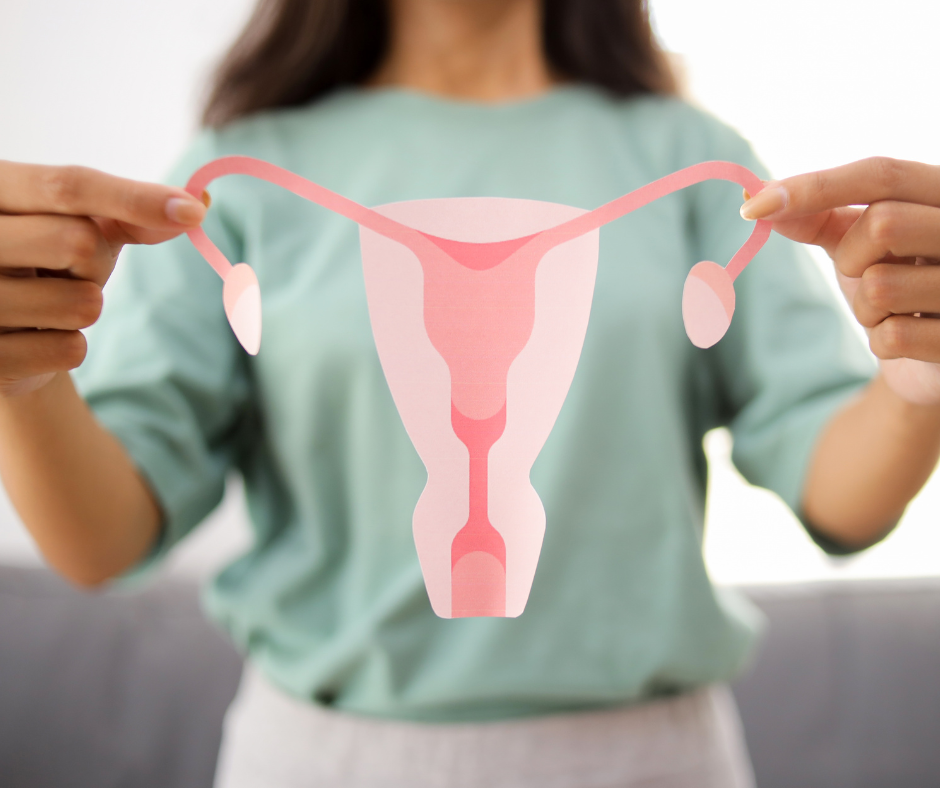
As a result of these hormone fluctuations and imbalances, women begin to feel many different symptoms. The symptoms are wide-ranging and include irregular periods, sleep problems, hot flashes and night sweats, mood swings, weight gain, brain fog, and decreased sexual desire.
There is no exact age for perimenopause, and it does not have a defined symptom that marks its starting point. Because it is difficult to describe what perimenopause is perfectly, many women do not know when they have begun this stage of life. Essentially, perimenopause is the name for the whole amount of time a woman’s reproductive years are slowing down until they stop completely.
What Is Menopause?
Menopause is not a phase, but rather a clinical milestone. The formal definition of menopause is that a woman has gone 12 months in a row without a menstrual period. This means her hormones have declined enough that she does not ovulate anymore and therefore does not go through the part of her monthly cycle that ends in her period.
Menopause is the end of the transition from a woman’s reproductive years to post-reproductive years. This means that it marks a single point in time, and then a woman is postmenopausal.
Following menopause, many women still experience similar symptoms to those they had during perimenopause. Fortunately, these symptoms should get milder or fade away.
Perimenopause vs. Menopause: Key Differences
The key difference between perimenopause and menopause is that one will be experienced for an undetermined amount of time, while the other is defined by an exact point in time. The following comparison explains this difference in more detail.
Perimenopause
Age of Onset – can start as early as late 30s or as late as early 50s, and continues until menopause is reached
Hormonal Patterns – estrogen and progesterone both decline and fall out of balance with one another
Monthly Periods – become irregular, including missed periods, short cycles, typical cycles, heavier than normal flow, or several months without any periods
Fertility – can still get pregnant, though it is less likely because ovulation does not happen consistently
Symptoms – hot flashes, night sweats, weight gain, vaginal dryness, urinary urgency, low sex drive, mood swings, brain fog, and trouble sleeping
Duration – can last one year or several years until menopause is reached

Menopause
Age of Onset – normally happens between ages 45 and 55, with 52 being the average age of menopause
Hormonal Patterns – estrogen and progesterone are produced in minimal amounts
Monthly Periods – no monthly periods for 12 months in a row
Fertility – the ovaries have stopped releasing eggs, and pregnancy is no longer possible
Symptoms – hot flashes, night sweats, weight gain, vaginal dryness, low sex drive, mood swings, brain fog, and trouble sleeping, although many of these become less intense or go away
Duration – marked by the recognition that it has been one full year without a period
Common Symptoms: Perimenopause vs. Menopause
All women will go through perimenopause on their way to menopause. However, not all women will experience perimenopause and menopause symptoms the same way. The perimenopause phase is intense for some women and very mild for others. Some women will continue having symptoms after menopause, while others will have fewer symptoms as they get closer to it.
Hot flashes and irregular periods are typically the most noticeable early symptoms of perimenopause. Once a woman realizes that she is in perimenopause, she will usually pick up on several other things going on that are also part of this new phase in her life.
Because the primary female hormones are out of balance, women will feel out of balance in many other ways. This affects their emotions, moods, and mental health. They may feel more anxious, depressed, or prone to anger than ever before. Women also have trouble falling or staying asleep, and they might feel fatigued or like they have brain fog. Unexplained weight gain is very frustrating for many women who have not changed their diet or activity level, and vaginal dryness paired with low sexual desire is also troubling.
The main difference in perimenopause vs. menopause symptoms is that they are most intense, even for women who have a mild experience, before menopause. Once a woman reaches menopause, estrogen and progesterone are low enough to stop having those effects. Most women will settle into a new normal that incorporates their body’s changes following menopause.
Typical Age & How Long Perimenopause and Menopause Last
While there is no clearly defined age for perimenopause or menopause, they usually occur during the 40s and 50s. Women can sometimes start feeling perimenopause symptoms in their 30s, although they might be inconsistent for several years. Menopause usually happens when a woman is in her late 40s or early 50s, with the average age being 52.
It’s common for women to want to know how long perimenopause and menopause last, but only perimenopause exists for any amount of time. Perimenopause is the entire time of a woman’s life when hormones slow down production until they slow enough to stop releasing eggs completely. This phase can last many years if a woman is still menstruating, even if only once every several months.
Menopause, however, is a moment in time, basically a day on the calendar when it has been at least 12 months since a woman’s last period. As soon as that point passes, the woman enters post menopause and will remain in that phase the rest of her life.
When to Seek Care
Although some effects of perimenopause are intense, they are usually normal for this time of life. But sometimes the symptoms of perimenopause are cause for concern. Women should continue visiting their women’s health provider for annual wellness visits to learn more about managing their symptoms and to discuss anything that seems unusual.
If the effects of perimenopause are causing distress or interfering with daily life, schedule an appointment with your women’s healthcare provider as soon as possible. Your healthcare team will assess your symptoms and determine whether more testing is necessary or if there are options for alleviating the worst of it.

Some of the most disruptive symptoms include:
- Heavy bleeding when periods do happen
- Mood swings, anxiety, or depression that make work and family life difficult to navigate
- Weight gain that you can’t get under control
- Any symptoms that are severely affecting your sleep and ability to function while awake
Hormone Replacement Therapy (HRT) is a treatment to rebalance hormones and reduce the intensity of perimenopausal symptoms. Your women’s health provider will counsel you on the availability of this therapy.
In some cases, your symptoms might indicate that you have a problem that is not related to menopause. Your healthcare provider will perform a full medical evaluation and refer you for additional testing if necessary. If you are experiencing what seems to be extreme symptoms of perimenopause, contact your healthcare provider right away. Whether you need further testing or you could benefit from HRT, your women’s health team will support you through the next steps.
LCH Supports Women in Perimenopause and Menopause
LCH Community Health provides a full range of women’s healthcare services in our West Grove office location. We offer annual wellness exams, cervical and breast cancer screenings, gynecological care, and perimenopause and post menopause care. Our women’s health team also offers HRT counseling and treatment when appropriate. In addition, we partner with our behavioral health team for extra support during these phases in life. LCH is accepting new patients at the Women’s Health Center in West Grove. Additionally, we offer Telehealth appointments, and all services are available in English and Spanish. Contact us to schedule your women’s health appointment.